

Immediate skin-to-skin contact between new born babies and their mums brings many health benefits, and a new review suggests that it is unethical not to make this standard in maternity care.
In this blog post, I’ll explain the review, and look at some of the wider issues in this area.
What is skin-to-skin?
Skin-to-skin is the practice of holding a baby directly against your bare skin, usually on the chest. While I’m writing about research in skin-to-skin done immediately after birth in this blog post, skin-to-skin cuddling can also be done at later times for comfort and bonding. But we have long known that immediate skin-to-skin brings benefits to women and their babies, so that’s the focus of the research in this area.
Dads can do skin-to-skin (or, as one of my friends calls it, skin-to-fur) in the rare cases where the mother is unable to. Skin-to-skin helps regulate a baby’s heart rate, breathing, and temperature, while also calming both the parent and the baby.
To do skin-to-skin, you simply place the baby, either naked or wearing just a nappy/diaper, on your bare chest. You can put a blanket or towel over both of you to prevent heat loss. Most midwives will suggest that the baby’s head is turned to the side, their neck is straight, and that you can see their face.
Why is it an issue?
Skin-to-skin is an issue because, since birth moved into hospitals, there has been a focus on separation, routines, and babies are often taken from their mums for things like weighing, measuring, and checks.
But unless a baby is really compromised, there is no hurry to do any of these things.
Even if a baby needs help with breathing, there are ways of doing this next to their mum, thus avoiding separation.
We have had evidence of the benefits of skin-to-skin for many years, and it is recommended by the World Health Organization.

Unfortunately, many hospitals don’t implement the evidence, even in high-income countries, preferring to stick with routines, or what works best for staff.
But the new review challenges their approach more strongly than ever before.
An updated Cochrane Review
The review was published by the Cochrane Collaboration, and it found such compelling evidence for immediate skin-to-skin contact that researchers now consider it unethical to conduct further studies that would deny this practice to mothers and babies.
The reviewers analysed 69 trials involving over 7,000 mother-infant pairs. This includes 26 new studies that have been carried out since the last major update in 2016.
The findings reveal clear and measurable benefits for newborns who experience skin-to-skin contact within the first hour of birth. Newborns placed skin-to-skin showed more optimal:
- Blood sugar levels
- Body temperature regulation
- Breathing patterns
- Heart rate stability (Moore et al 2025).
These improvements occur because skin-to-skin contact helps babies adapt to life outside the womb naturally, keeping them warm, reducing stress and crying, and supporting essential physiological functions.
One striking finding is that about 75% of babies who received early skin-to-skin contact were exclusively breastfeeding at one month, compared to just 55% of babies who didn’t receive this intervention. This difference extended through the first six months of life, with mothers who had immediate skin-to-skin contact significantly more likely to exclusively breastfeed during this critical period (Moore et al 2025).
Further research would be unethical
The review’s most significant conclusion is that the evidence is now so strong that conducting more randomised controlled trials that separate mothers and babies would be unethical.
“Withholding skin-to-skin contact would now be considered unethical, as there is enough evidence to show that the practice improves newborn health and survival,” said senior author Karin Cadwell, Executive Director of Healthy Children Project’s Center for Breastfeeding, in the Cochrane press release about this review.
While this review focused on studies from high- and middle-income countries, research in low-resource settings has shown that skin-to-skin contact can literally mean the difference between life and death for low birth weight infants. A large trial across Indian and African hospitals was stopped early when preliminary data showed that this practice significantly improved survival rates.
The path forward
This review builds on the 2016 update that already informed 20 international guidelines, including the abovementioned World Health Organization recommendation for immediate, uninterrupted skin-to-skin contact until after the first breastfeeding as standard care.
Despite these guidelines, the review authors note that many health systems continue to separate mothers and infants during this critical first hour for routine procedures that could easily wait.
The researchers emphasise that future efforts should focus on implementation, and ensuring that this evidence-based practice becomes universal, rather than conducting more trials to gather more evidence about something that we already know to be effective.
How to get skin-to-skin for you and your baby
Skin-to-skin cuddling costs nothing, requires no special equipment, and offers you and your baby measurable health advantages at one of the most vulnerable moments of life.
If you are birthing at home, you won’t have to advocate for this, and it will be standard care in midwifery-led facilities such as birth centres and midwifery-led units.
It should be offered as standard, evidence-based care in hospitals too, but often isn’t.

So if you are planning a hospital birth, there are a couple of things that you can do to ensure that you get skin-to-skin for you and your baby.
Ask your healthcare providers about their policies on this.
If you can, ask other mums what their experience was. This will help you to work out whether there is a gap between what you are told will happen, and what is likely to happen in reality.
Make clear in your birth plan that you want uninterrupted skin-to-skin contact with your baby immediately after birth, before any non-urgent procedures.
Make sure that anyone who might be with you during labour and birth is aware of this area, and feels able to speak out if anyone tries to take your baby away at birth.
You may also wish to look at having optimal cord clamping, as this can physically ensure that your baby can’t be taken from you, because the cord won’t be cut immediately.
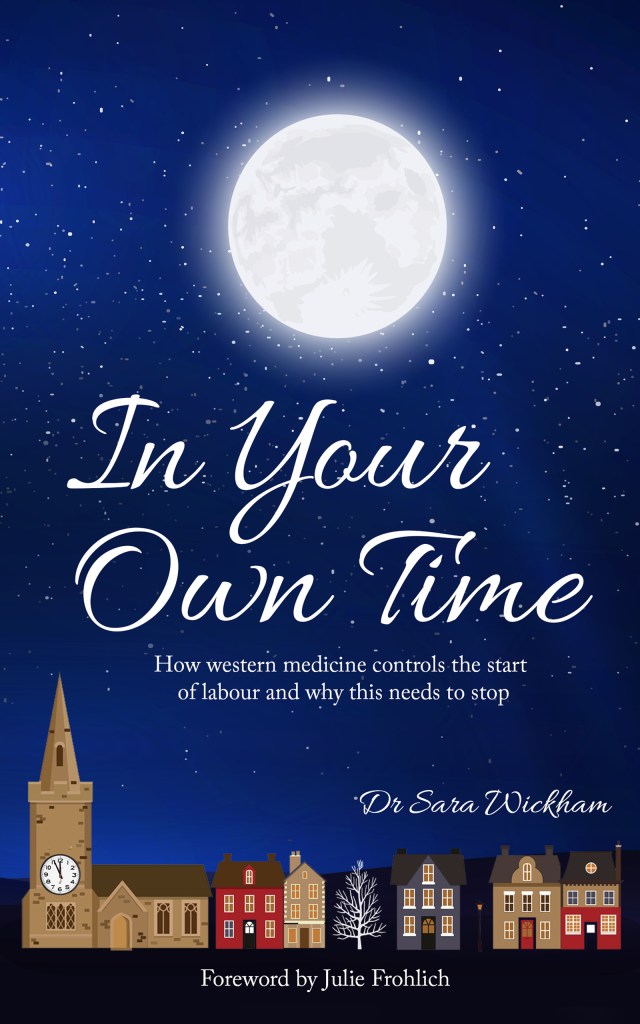
If you would like more information about your options, and how to make the decisions that are right for you and your family, I have a book which will help with this:

About the Author: Dr Sara Wickham is an author, speaker, and researcher specialising in pregnancy, birth and maternity care. Her work focuses on evidence-based, woman-centred information and informed decision-making, drawing on more than 30 years of midwifery knowledge and experience.
Want to stay up to date and get regular updates on birth-related research and thinking sent free to your inbox?
Plus news of Sara’s books, projects, events, and courses?
Sign up to our email newsletter list here
We’ll send you regular, friendly updates to help you keep up-to-date and stay informed.

Books to help you become informed and make the decisions that are right for you…



If this blog post or any of Sara’s work has helped you or those you care for, please buy her a coffee and help us continue to provide independent birth information online as well as in her books.
Thank you.