
What is the BRAN or BRAIN analysis?
This is a decision making tool that I have been writing about for many years.
In this blog post, I’ll explain what it is, and how you can use it to make the decisions that are right for you.
A tiny herstory
I first wrote about the BRAN analysis in 2002 in ‘What’s Right For Me: making decisions in pregnancy and childbirth’.
That first edition is now VERY out-of-date and out of print, but I have updated and expanded that book twice since then. Here is the shiny, up-to-date third edition which was published in 2022.
The BRAN or BRAIN analysis is a decision-making tool tool that you can use when faced with a decision.
Importantly, that includes decisions which you may have to make quite quickly or when under pressure, for example when you are in labour or making a decision about medical treatment.
If you can remember the acronym “BRAN” and what this stands for, you can remember the key sorts of information you need to seek.
It works best when you are considering some kind of action or intervention (for example whether or not you want a particular drug, screening test, or intervention such as induction of labour), but the same principles can be applied to other kinds of decisions as well.
Spelling it out…
In the original version, the BRAN stands for:
What are the Benefits?
What are the Risks?
What are the Alternatives?
What if I/we do Nothing?
For instance, if someone experienced nausea during pregnancy and was offered a drug that might help, using the BRAN acronym to analyse the situation could lead them to ask the following questions:
- What are the Benefits of this drug? What percentage of women does it help?
- What are the Risks of the drug? What are the side effects? What immediate effects will it have on my body? Could it have any long-term impact on me or my baby?
- What are the Alternatives to taking this drug? Are there herbal or other alternative remedies that I could try first?
- What is likely to happen if I do Nothing? Does nausea eventually go away for most women? By what stage in pregnancy, on average? Are there implications of doing nothing?
Variations
Over the years, the acronym expanded to include other important elements of decision-making, with the addition of the I for intuition, as an important reminder to consider what our intuition or guts are telling us to do.
In other versions, people add an S to make BRANS or BRAINS. Depending on who you hear it from, the S can either remind people to ask with a Smile or that it’s okay to say ‘Scuse me, I need time to think about this and discuss it with my family.
(Am I suggesting you fawn? No. There’s loads more on communication and other aspects of navigating maternity care in the book.)
This tool, the alternatives, and loads more examples of how you can use it to make decisions are discussed in much more depth in What’s Right For Me? Making decisions in pregnancy and childbirth.
We also have several other blog posts on aspects of decision making around pregnancy and birth.
They are listed on this resources page:

About the Author: Dr Sara Wickham is an author, speaker, and researcher specialising in pregnancy, birth and maternity care. Her work focuses on evidence-based, woman-centred information and informed decision-making, drawing on more than 30 years of midwifery knowledge and experience.
Want to stay up to date and get regular updates on birth-related research and thinking sent free to your inbox?
Plus news of Sara’s books, projects, events, and courses?
Sign up to our email newsletter list here
We’ll send you regular, friendly updates to help you keep up-to-date and stay informed.

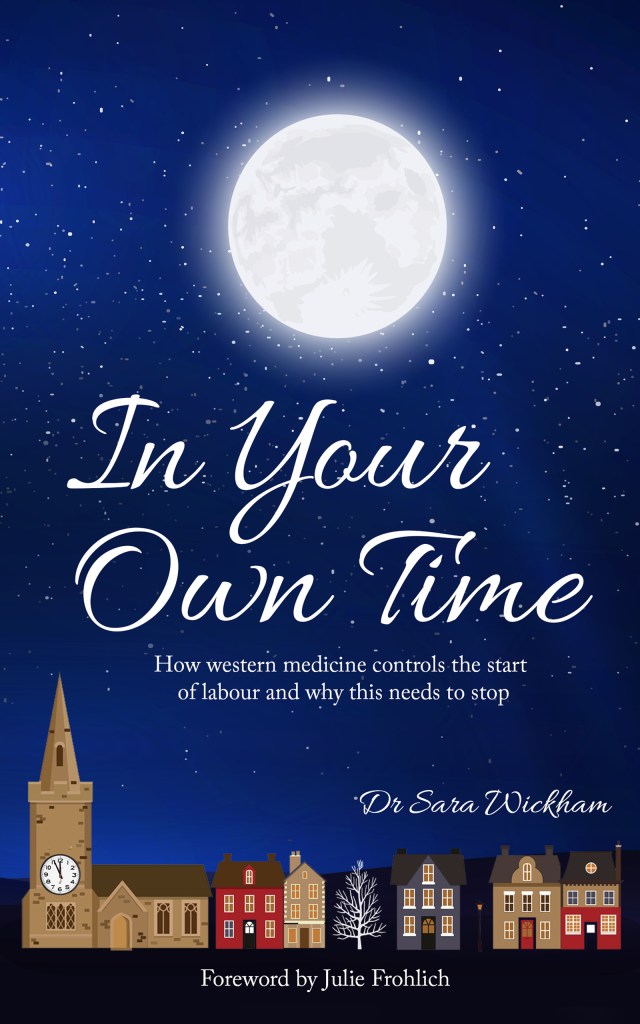
Books to help you become informed and make the decisions that are right for you…



If this blog post or any of Sara’s work has helped you or those you care for, please buy her a coffee and help us continue to provide independent birth information online as well as in her books.
Thank you.